
Swing gates
Automated single and paired swing gates for commercial entries, managed properties and perimeter openings where presentation, clearance, drive force and safety all need to work together.
When swing is the right gate type.
Opening arc available
Best where the site has clear inward or outward swing room and no traffic, landscaping or pedestrian path sits inside the arc.
Single or paired leaves
Useful for wide commercial entries, managed properties, schools, service yards and private facilities that need controlled access.
Frontage presentation
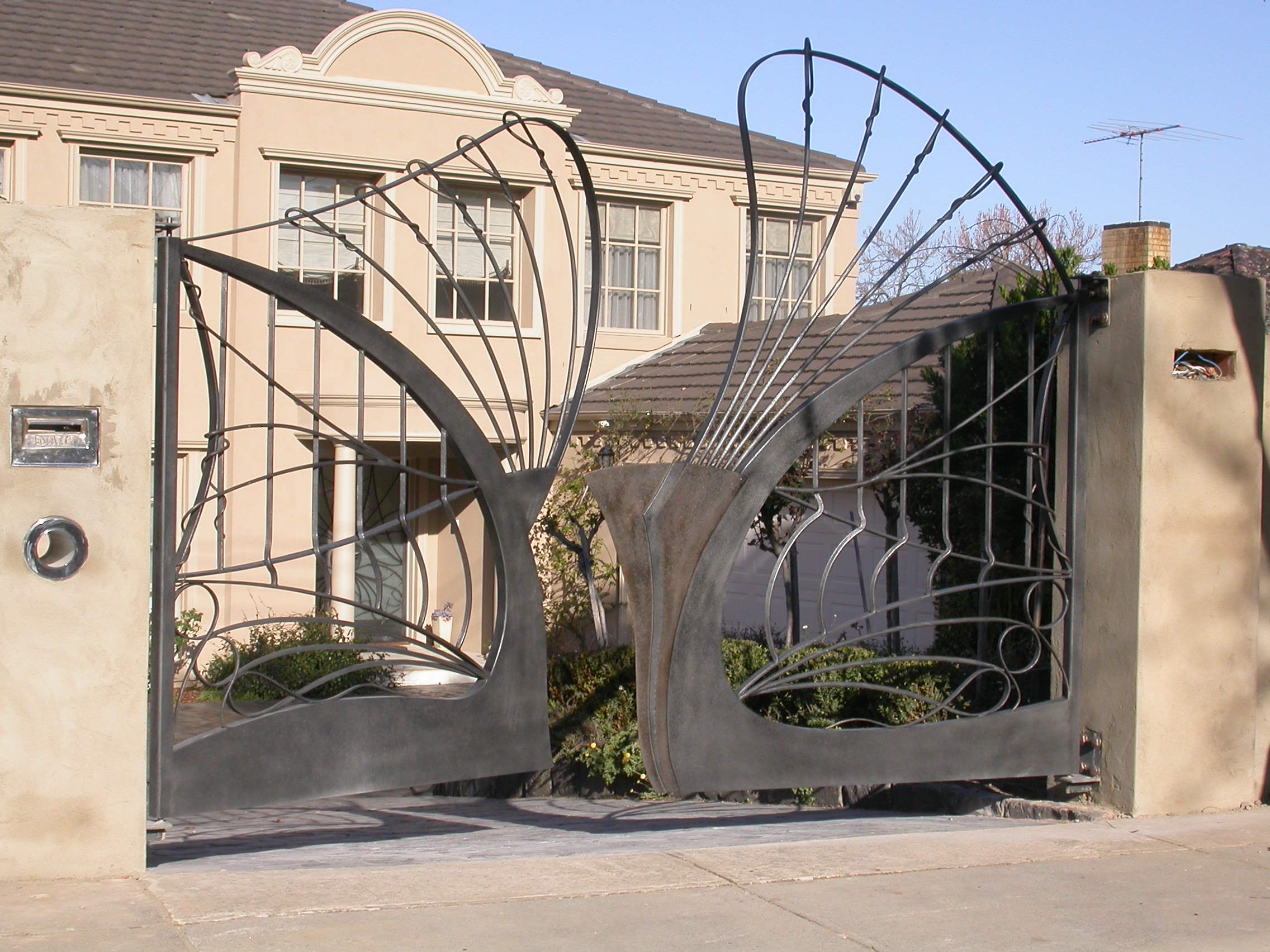
Frames, infills and finishes can match security needs while keeping the entrance clean, architectural and site-appropriate.
Safety envelope planned
Beams, loops, signage and controls need to account for the full leaf movement, hinge side and public approach path.
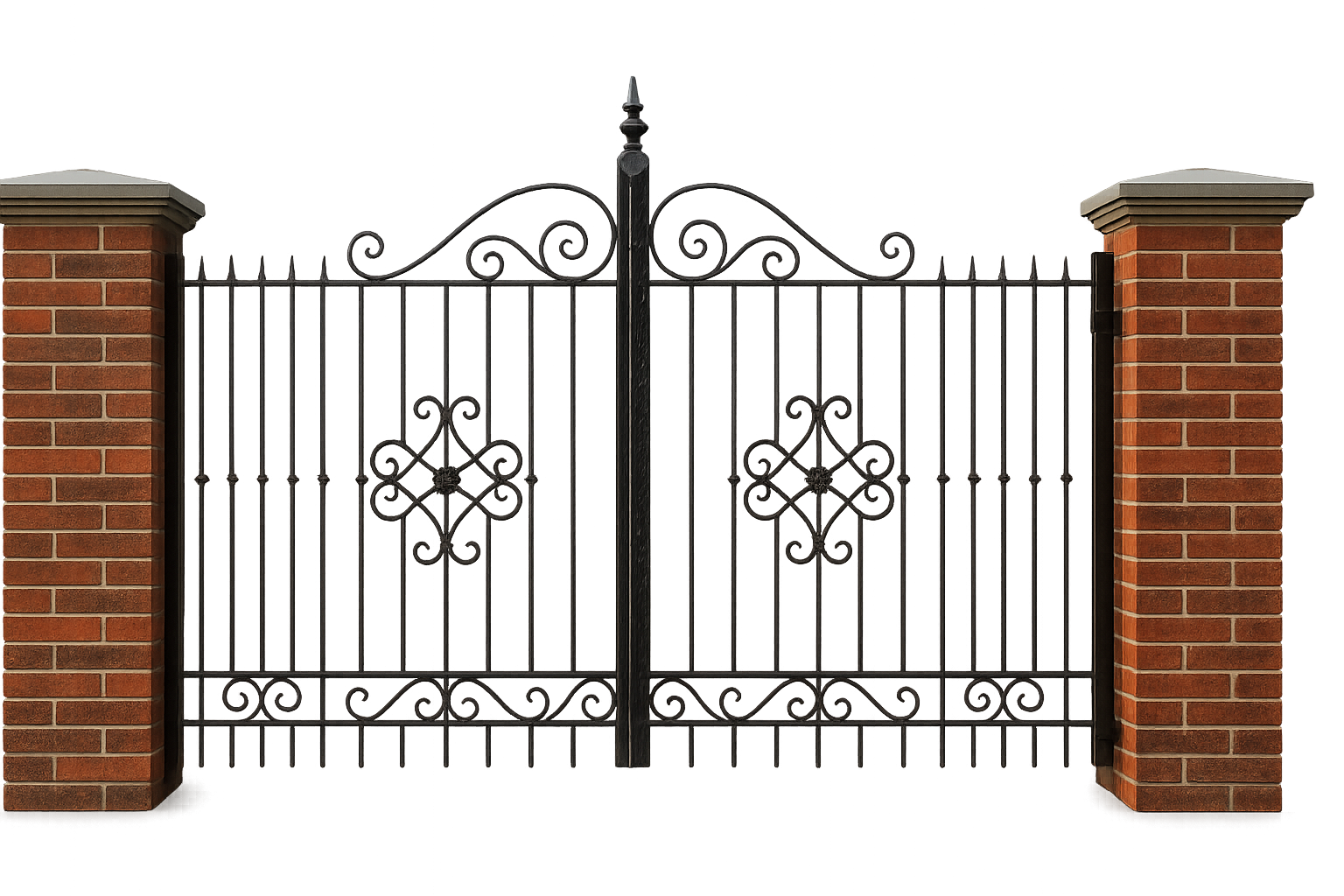
Gate, hinge and operator selected as one system.
The gate leaf, post, hinge, lock, drive and safety devices need to be matched early. That keeps the entrance reliable instead of forcing the operator to solve a gate geometry problem later.
Duragal steel
A practical pre-galvanised frame choice for durable commercial and perimeter gate builds.
Hot dip galvanised
A stronger corrosion pathway for exposed or higher-duty sites before powder coat or paint.
Aluminium
Lightweight and non-rusting for larger leaves where weight affects hinge load and operator sizing.
Timber or architectural infill
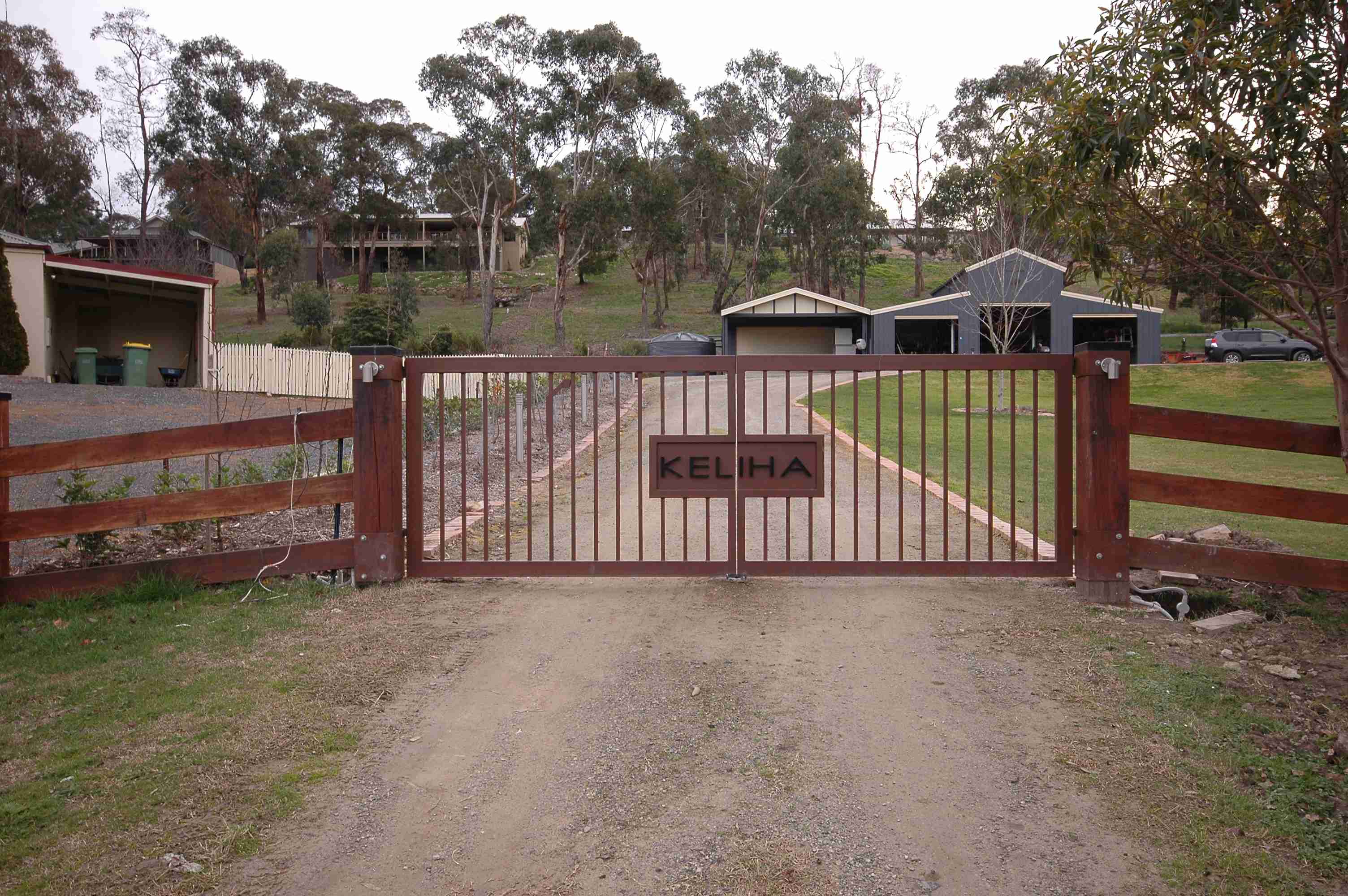
Warmer presentation where the gate needs to sit comfortably with the frontage or landscape.
Inground or arm operators
Operator choice can be hidden, articulated or linear depending on hinge geometry and duty cycle.
Locks and controls
Maglocks, intercoms, keypads, readers and remotes can be selected around the access pattern.
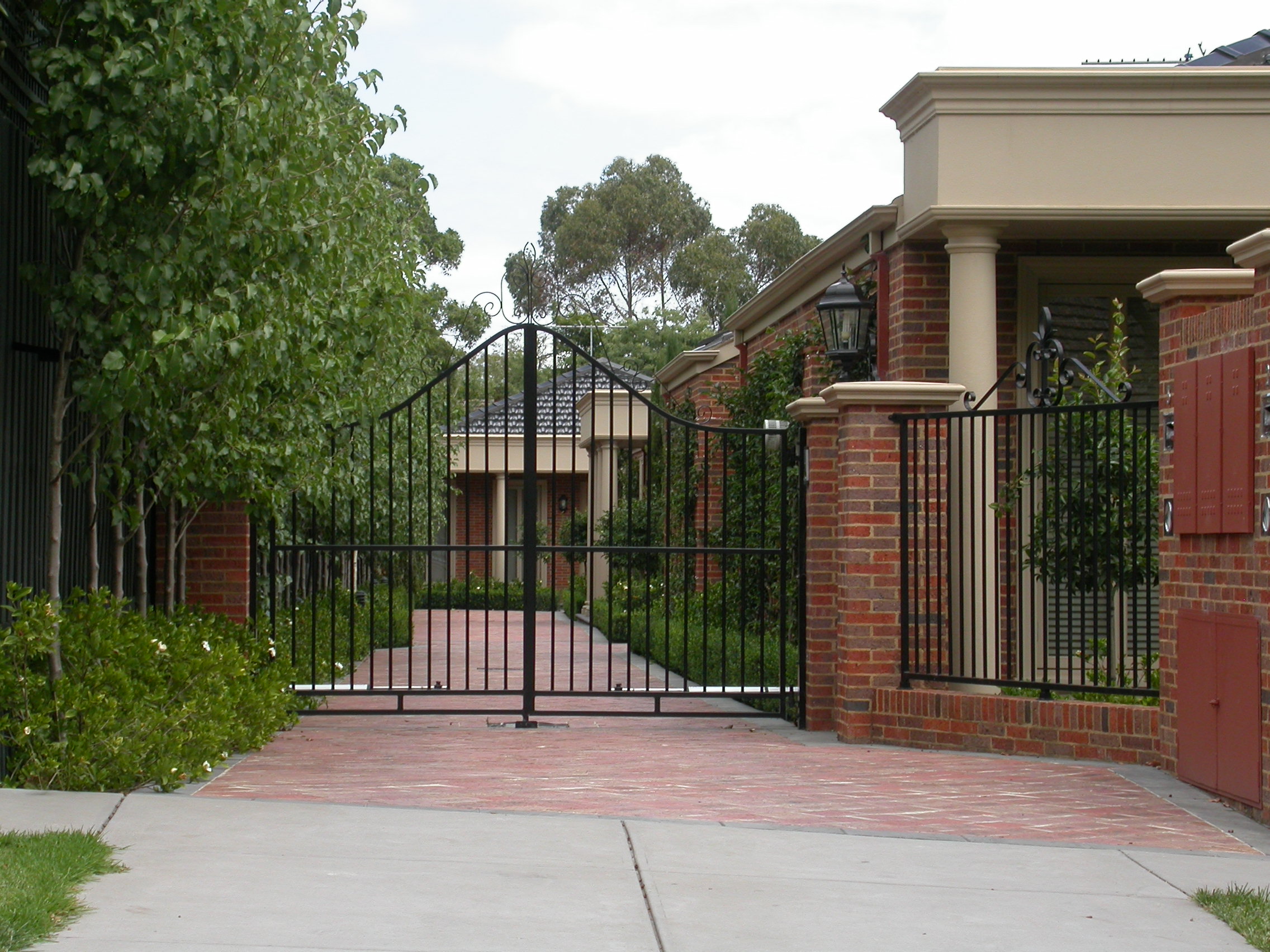
Drive systems need to suit the swing arc, hinge load and daily use.
Swing gates are less forgiving than they look. The motor choice depends on the leaf weight, wind exposure, hinge geometry, desired opening angle and where the drive can be mounted.
24 V linear, articulated arm and inground
Low-voltage swing operators for controlled movement, battery-backup options and refined commercial operation.
240 V linear, articulated arm and inground
Mains-powered operators for larger leaves, higher force requirements and more demanding use patterns.
3-phase articulated arm
A heavy-duty pathway where gate leaf size, hinge geometry and site load call for more industrial drive capacity.
Universal planning points
Manual release, speed control, safety inputs and access control need to be resolved before the operator is selected.
Safety add-ons for the full movement arc.
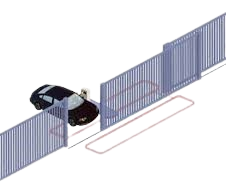
Loop detectors
Loops can help manage vehicle presence before the leaf opens or closes.
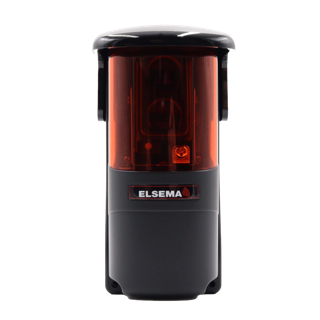
Photoelectric beams
Beam sensors protect the threshold and approach path.
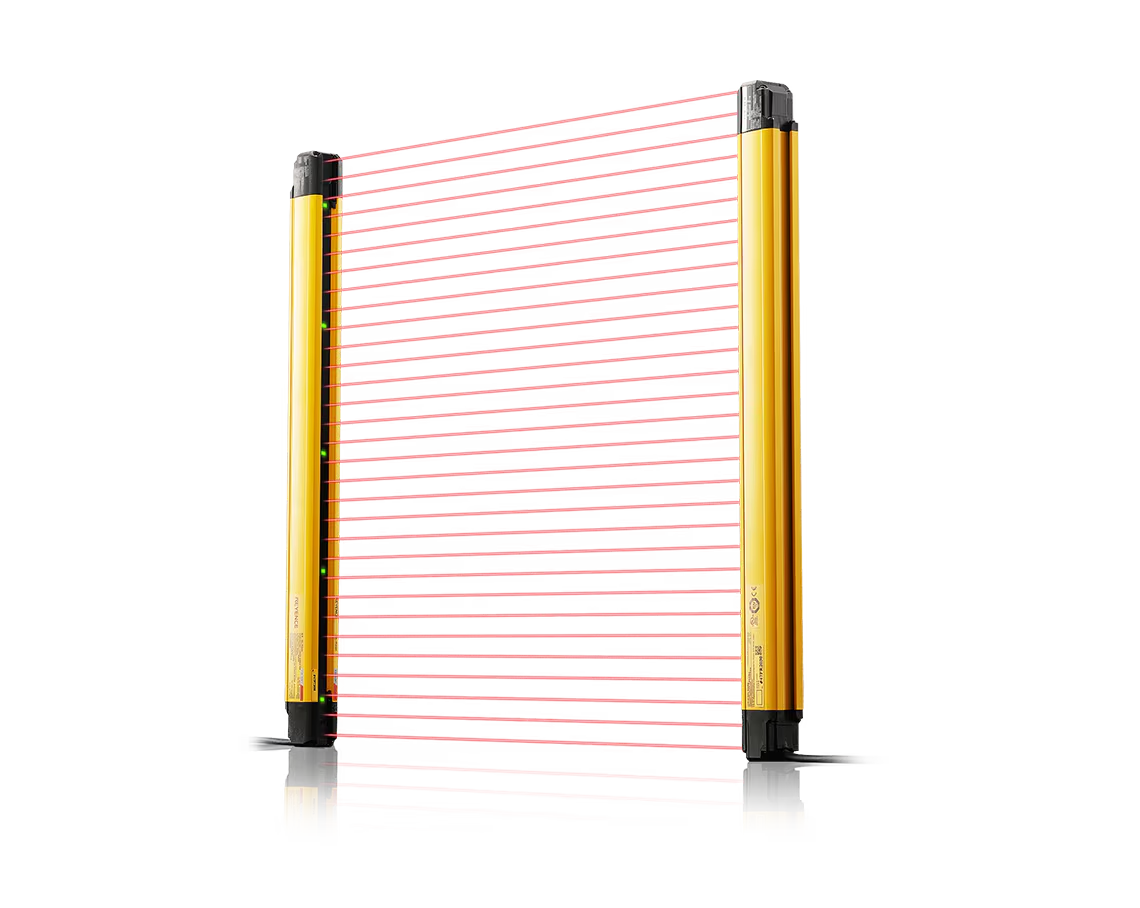
Light curtain
A denser detection field where the movement arc crosses busy pedestrian or vehicle zones.

Safety edges
Pressure-sensitive edges can protect closing points around the swing leaf.
Swing gate operator options.
Operator choice changes with leaf size, hinge geometry, duty cycle, presentation and the available mounting position.

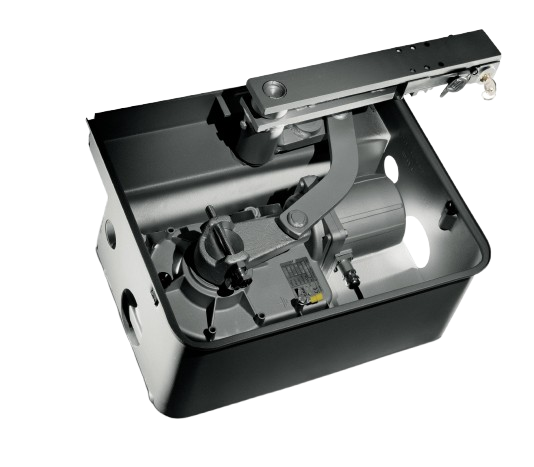
CAME Frog
Concealed inground operator for cleaner presentation.
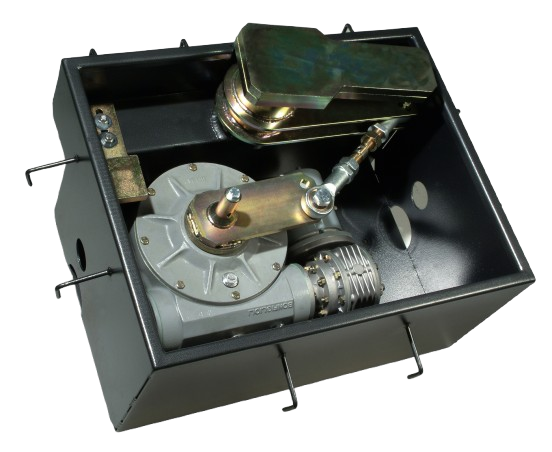
CAME Super Frog
Stronger inground option for heavier swing leaves.

CAME Ferni
Articulated arm operator for selected post and hinge arrangements.
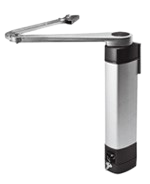
CAME Stylo
Compact operator option for lighter leaves and narrow conditions.

CAME Axo
Linear operator family for common swing gate requirements.
FAAC 391
Articulated operator option for compatible swing geometry.
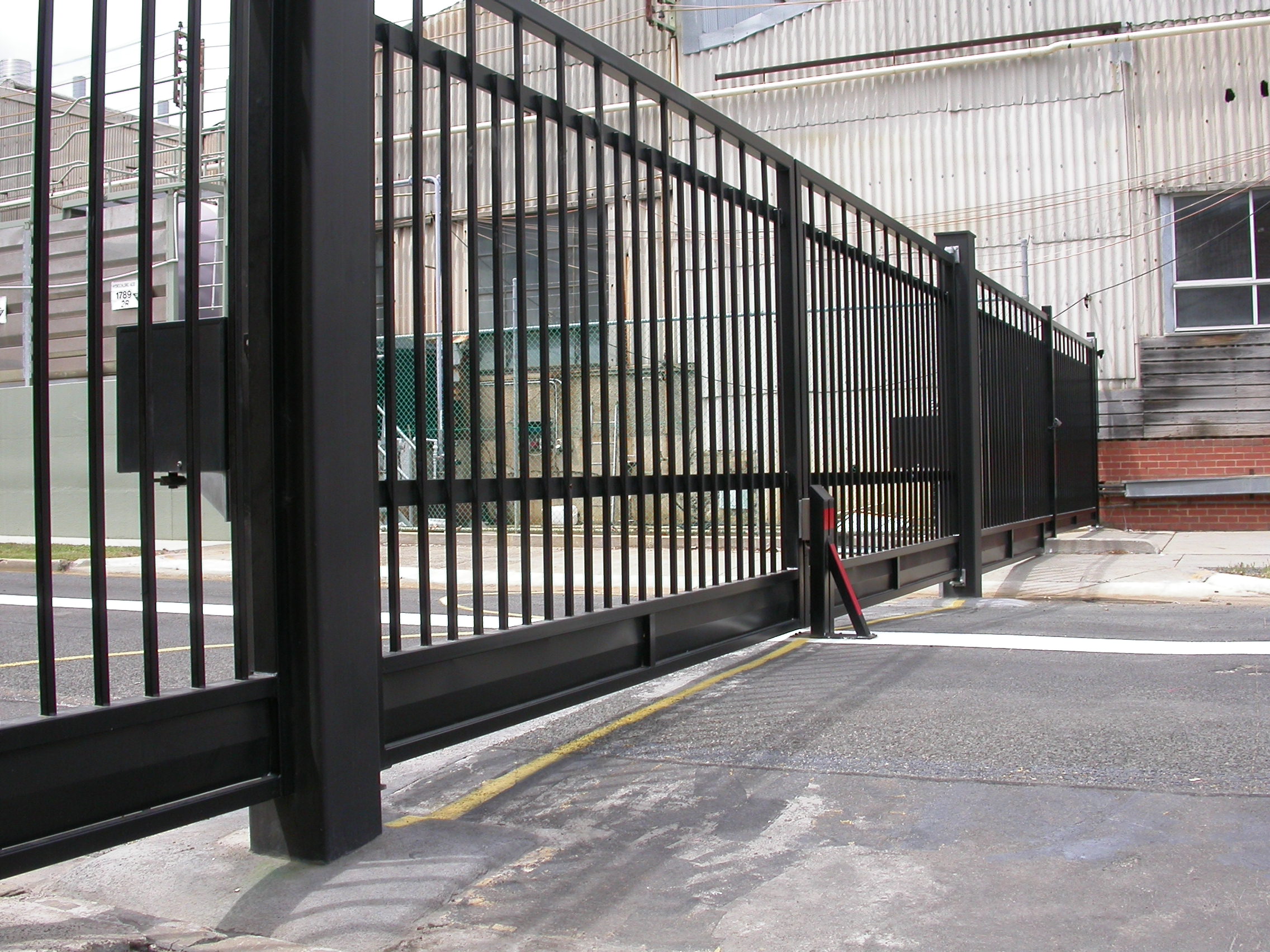
Installed swing gates
Have a swing gate opening to solve?
Send the opening width, leaf count, swing direction, site type, traffic pattern and access-control or safety requirements. Gate Automation Systems can help work out the gate, operator and service path.