
Retractable bollards.
Gate Automation Systems specifies bollards for entries that need controlled vehicle access, pedestrian clearance and a cleaner frontage than a sliding or swing gate can provide.
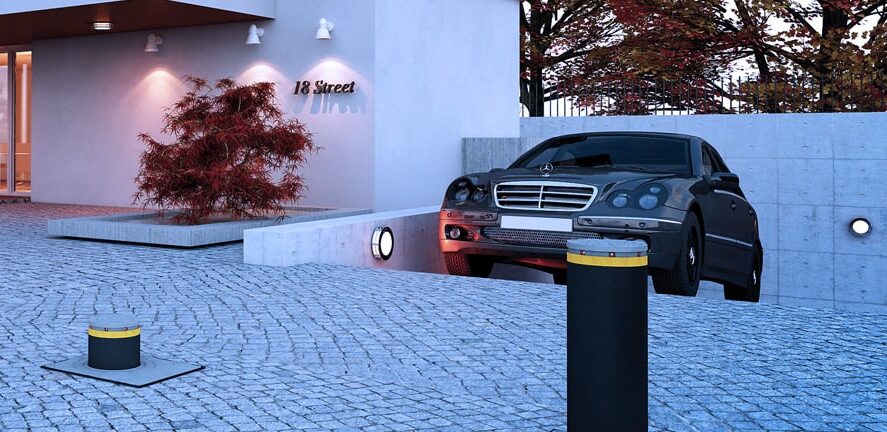
Simple movement, serious access control.
Normally clear
The bollard retracts flush or near-flush so authorised vehicles can pass without a gate leaf or track.
Authorise
Remote, keypad, card, intercom, loop or building system releases the bollard according to the site rules.
Secure
The bollard rises to create a physical stop point for unauthorised vehicles and protect the zone behind it.
Use bollards where the entry still needs to feel open.
Bollards are useful when the site needs vehicle restriction without visually closing the frontage, interrupting pedestrian movement or requiring a full gate opening path.
- Commercial car parks and staff entries
- School, public-space and facility thresholds
- Loading zones and shared pedestrian areas
- Architectural frontages where gate leaves feel too heavy
Pick the bollard around impact, frequency and presentation.
The public page already carries several bollard families. This draft keeps the image-backed options but gives them a cleaner comparison structure.
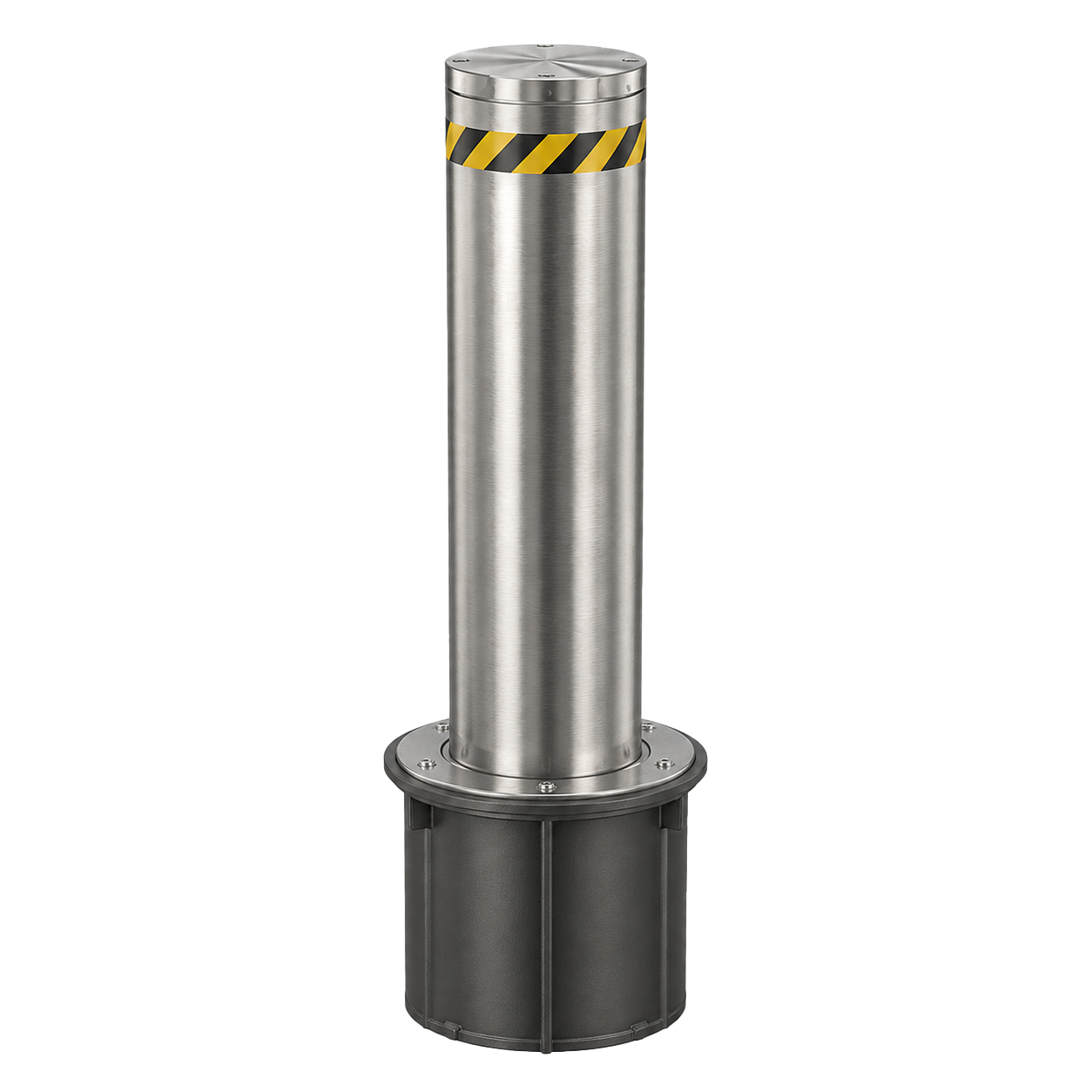
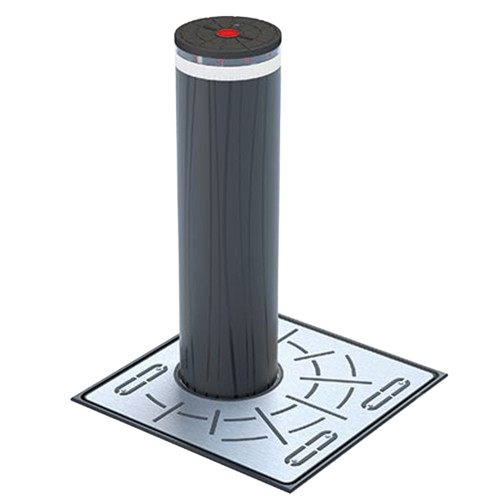
Automatic retractable bollard for commercial vehicle-control points.
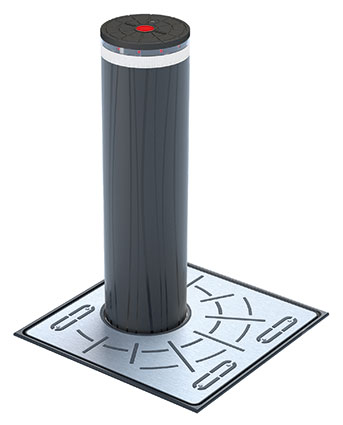
JS80
Slim retractable unit for tighter frontage and pedestrian-friendly areas.

J355
Heavier-duty hydraulic bollard family for higher-control entries.
J200
Compact automatic bollard option for managed vehicle access.
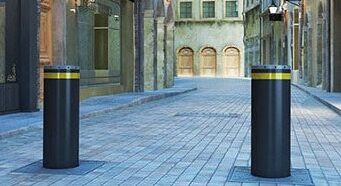
Centro Storico
Low-visual-impact bollard for sensitive or architectural settings.
Vehicle detection
Loops and sensors help the bollard respond to vehicle position, not just button presses.
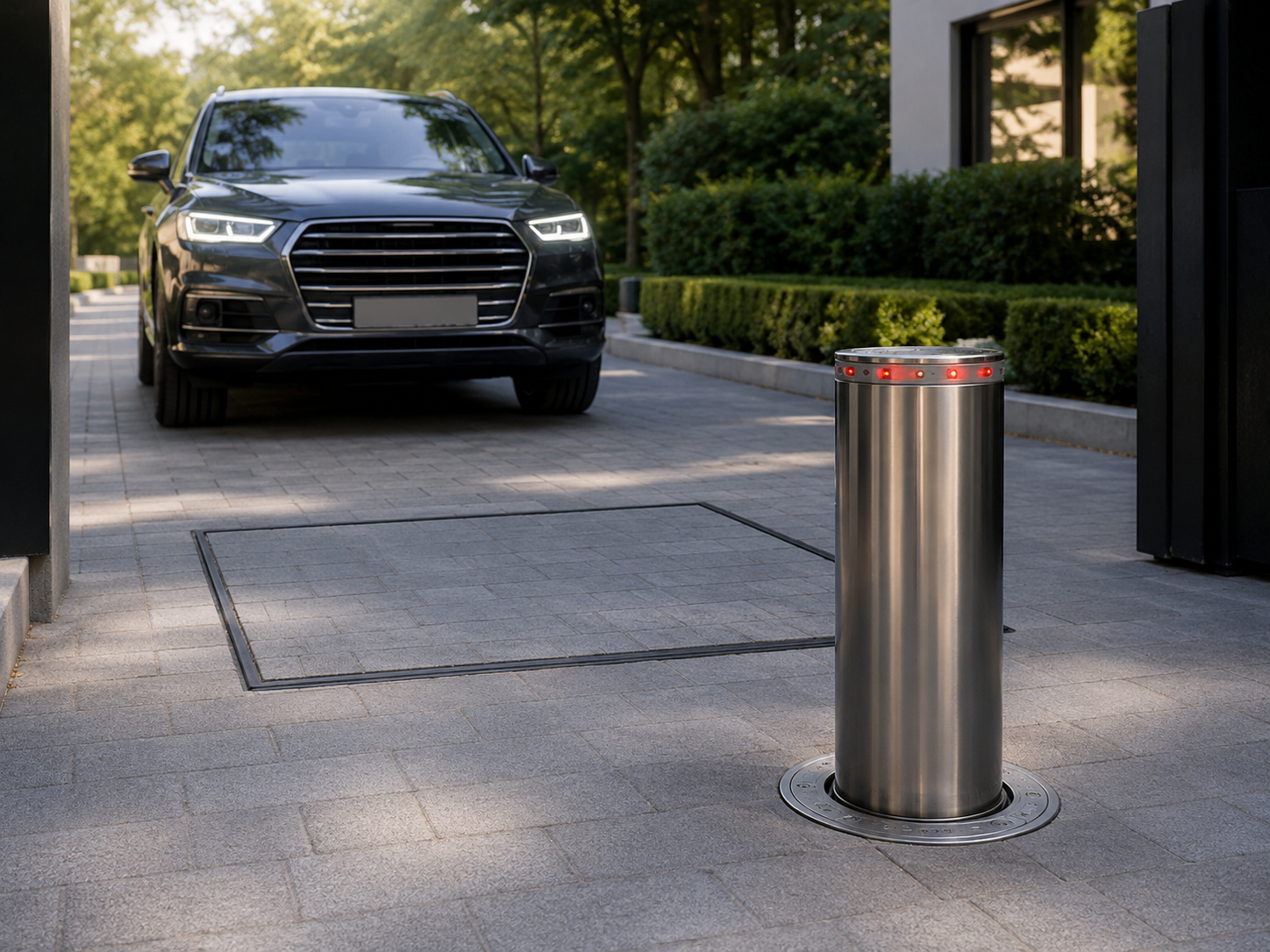

Access release
Remote, intercom, card, keypad or building integration controls who can drop the bollard.
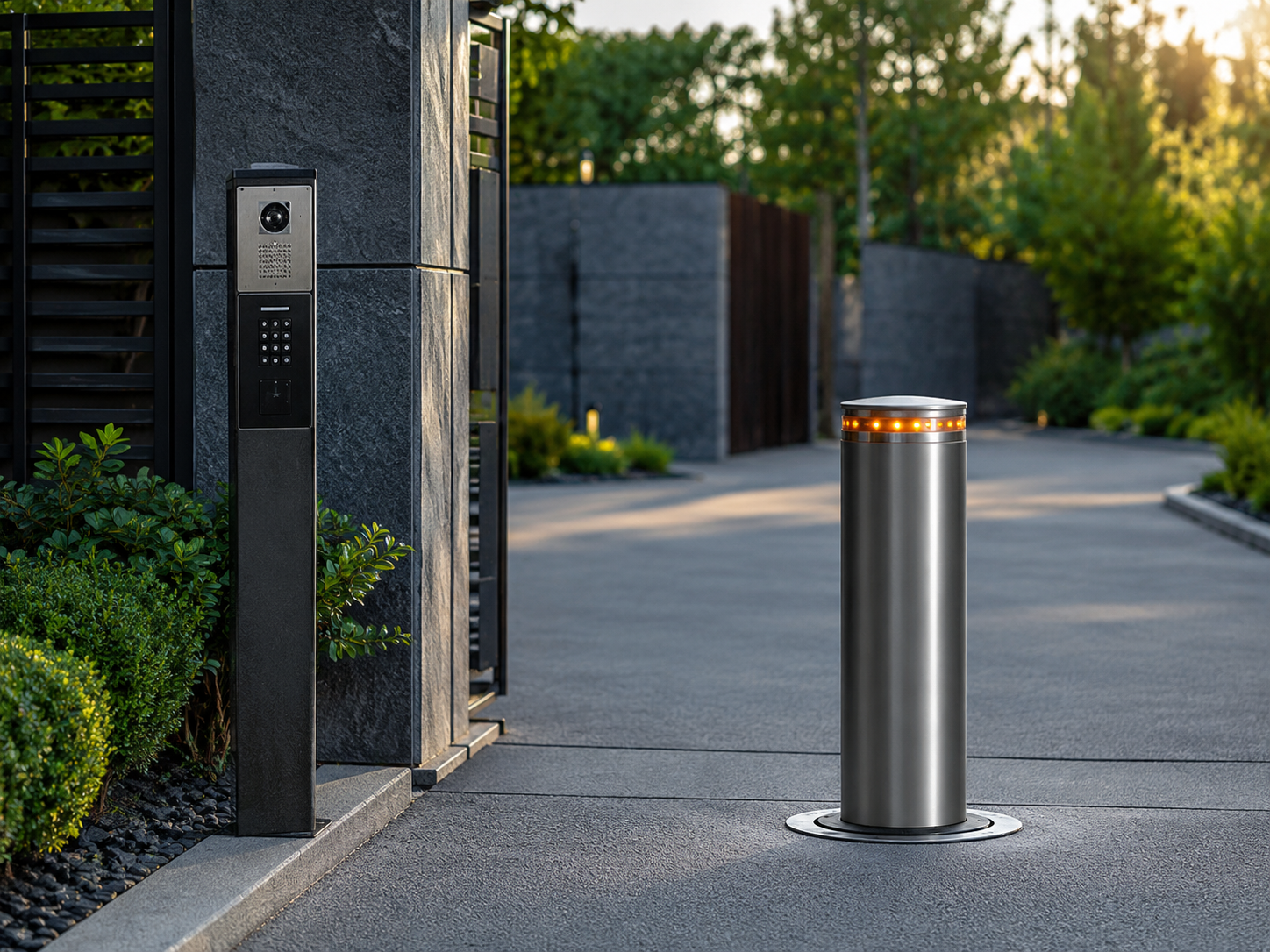

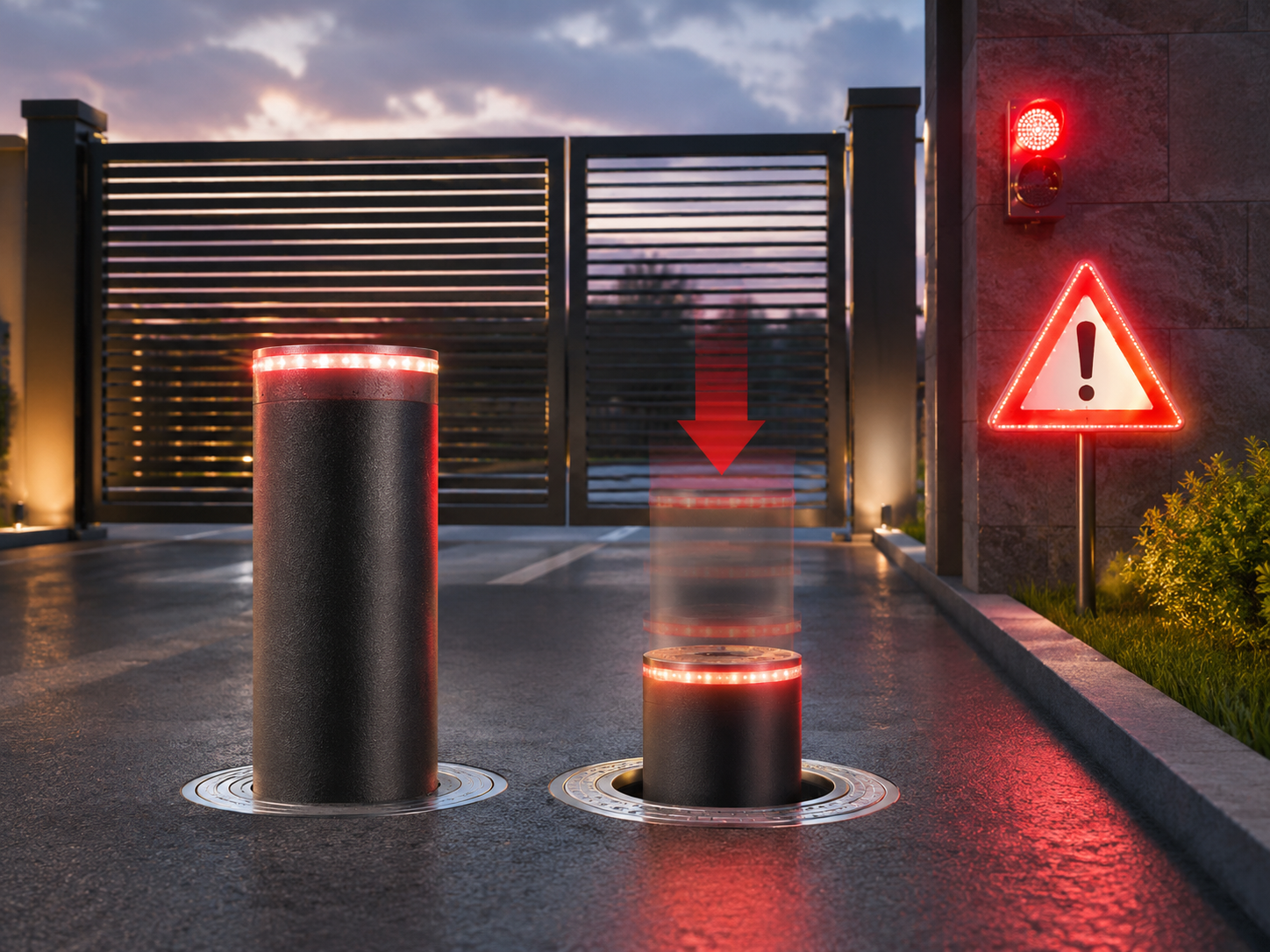
Visible movement
Lights, signs and placement make the stop point legible before a driver reaches it.

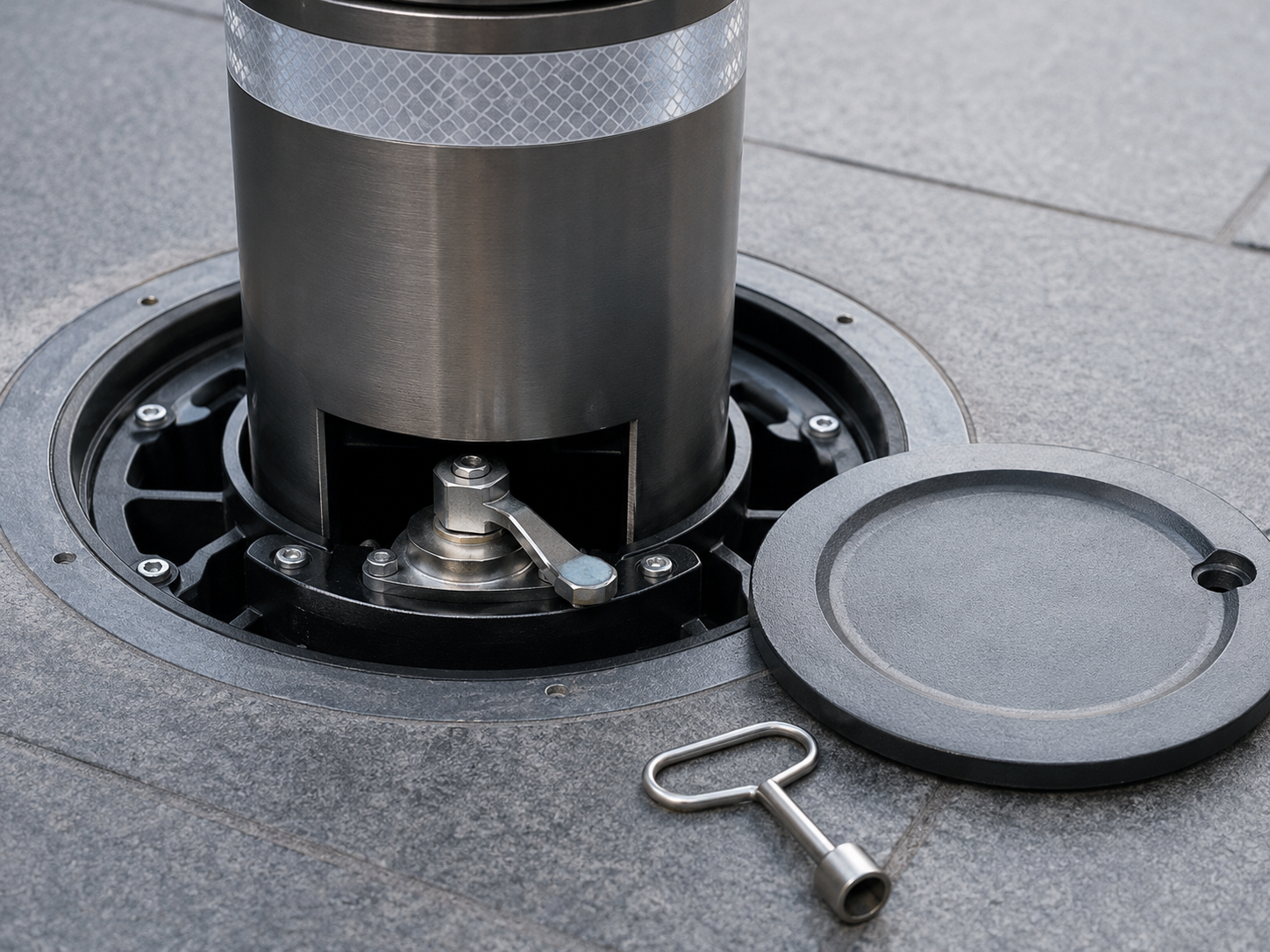
Fallback access
Manual release and service access should be documented before handover.
Bollards need the civil detail early.
Bring the lane width, pavement type, power/access-control preference and expected traffic pattern. Gate Automation Systems can then advise the bollard family and integration path.